Table of Contents
ToggleCarpet cleaning machines cost $200 to $600 new, a steep price for a tool most homeowners use once or twice a year. That’s where Home Depot’s rental program comes in. For about $30 to $40, renters can tackle wall-to-wall carpets, area rugs, and upholstery without the upfront investment or long-term storage headaches. The process is straightforward: reserve online or walk in, pick up a commercial-grade cleaner, use it for four or 24 hours, and return it to the same store. This guide covers everything from machine options and pricing to step-by-step operating instructions and pro tips for getting carpets truly clean.
Key Takeaways
- Home Depot carpet cleaner rentals cost $30–$40 for commercial-grade machines, making them a cost-effective alternative to buying equipment that sits unused most of the year.
- Renting a carpet cleaner from Home Depot eliminates storage and maintenance burdens while guaranteeing well-maintained equipment with stronger suction and hotter water than consumer models.
- Thorough vacuuming before machine use, slow deliberate passes with proper trigger control, and a final water-only rinse are essential for effective cleaning and faster drying times.
- Pre-treating stubborn stains with enzymatic cleaner 10–15 minutes before machine cleaning significantly improves results on pet urine, wine, and grease damage.
- For occasional users cleaning carpets 1–3 times annually, renting makes financial sense; buying becomes worthwhile for large homes, pet owners, or those cleaning multiple properties.
Why Rent a Carpet Cleaner from Home Depot?
Home Depot’s rental fleet consists of commercial-grade machines, not the consumer models sold in big-box aisles. These units deliver stronger suction, hotter water, and wider cleaning paths, features that translate to faster drying times and deeper soil extraction.
Renting makes sense for occasional use. Most households deep-clean carpets one to three times per year, which means a $300 machine sits in the garage 362 days annually. The rental model offloads maintenance, storage, and repair costs to the retailer.
Convenience is another factor. Home Depot operates over 2,300 stores across the U.S., and most tool rental desks stock carpet cleaners year-round. Reservations can be made online, over the phone, or in person. If a machine malfunctions mid-job, the renter can swap it out at the same location, no warranty claims or manufacturer runaround.
Finally, renters avoid the performance drop-off that comes with aging consumer machines. Pump seals wear out, brushes flatten, and heating elements fail. Home Depot cycles rental units regularly and replaces worn parts between uses, so the machine a DIYer picks up today should perform like it did six months ago.
Home Depot Carpet Cleaner Rental Options and Pricing
Home Depot typically offers two rental periods: 4-hour and 24-hour. Pricing varies by region and demand, but expect to pay around $30 for four hours or $40 for 24 hours as of 2026. Some markets charge slightly more during peak seasons (spring cleaning, pre-holiday hosting).
The standard machine is a Rug Doctor Pro or similar upright model with a 12-inch cleaning path, dual cross-action brushes, and a built-in water heater. Tank capacity ranges from 1.5 to 2 gallons for clean water and roughly the same for dirty water recovery. These machines weigh 35 to 45 pounds when empty, manageable for most adults, but not effortless on stairs.
Cleaning solution is sold separately. Home Depot stocks Rug Doctor brand carpet detergent in 48-ounce bottles for about $17 to $20. One bottle covers approximately 500 square feet, depending on soil level and overlap. Renters can also bring their own solution as long as it’s labeled safe for hot-water extractors (no dish soap, no homemade vinegar blends, those foam up and can damage pumps).
Some locations offer upholstery attachments or handheld spotters for an additional $5 to $10 per rental period. These tools use the same solution and operate off the main machine’s tank, making them useful for stairs, car interiors, or furniture.
How to Rent a Carpet Cleaner from Home Depot
Start by checking availability online at homedepot.com/toolrental. Enter a zip code, select “Carpet Cleaner,” and choose the rental period. The site displays real-time inventory at nearby stores. If the desired time slot is open, add it to the cart and complete the reservation with a credit or debit card. Home Depot doesn’t charge until pickup.
Alternatively, call the tool rental desk directly or walk in. Walk-ins work if the machine is available, but weekends and evenings see higher demand, especially around holidays. Reserving ahead guarantees a unit.
At pickup, bring a valid driver’s license or government-issued ID and a credit card. Home Depot places a hold for the estimated rental cost plus a damage deposit (typically $50 to $100, released when the machine is returned in good condition). The clerk will demonstrate basic operation: filling tanks, adjusting handle height, and emptying the recovery bin.
Inspect the machine before leaving the store. Check hoses for cracks, confirm the power cord has no exposed wires, and ensure the recovery tank lid seals properly. If anything looks worn, ask for a different unit. Many experts recommend using product testing standards to assess whether equipment meets quality expectations.
The rental clock starts when the machine leaves the store and ends when it’s returned to the same location. Late fees accrue quickly, often $10 to $20 per hour, so plan the job timeline carefully.
Step-by-Step Guide to Using Your Rented Carpet Cleaner
1. Prep the Space
Vacuum thoroughly. A carpet cleaner isn’t a vacuum: it extracts soil suspended in water, not dry debris. Skipping this step clogs the recovery tank with hair, crumbs, and grit.
Move furniture off carpeted areas. For heavy pieces like sofas or beds, slide aluminum foil squares or plastic furniture coasters under legs to prevent wood stain transfer onto damp carpet.
2. Fill the Tanks
Remove the clean-water tank and fill it with hot tap water (not boiling, most machines heat internally). Add carpet detergent according to bottle instructions, usually 4 to 6 ounces per gallon. Overfilling causes excessive foam, which interferes with suction.
Ensure the recovery tank is empty and the lid gasket is seated correctly. A loose seal lets dirty water leak onto the carpet you’re trying to clean.
3. Run the Machine
Plug into a grounded 15-amp outlet. Avoid extension cords, these machines draw 10 to 12 amps under load, and long cords cause voltage drop that weakens the heater.
Press the solution trigger and push the cleaner forward slowly, about 1 foot per second. Release the trigger and pull backward at the same pace. The forward pass injects hot detergent: the backward pass extracts it. Overlap each pass by 2 to 3 inches.
4. Empty and Rinse
When the recovery tank nears full, power off and unplug. Dump the dirty water into a toilet or utility sink (not a shower drain, carpet soil clogs traps). Rinse the tank interior to prevent odor buildup.
Refill the clean-water tank as needed. Most 1,000-square-foot jobs require two to three fills.
5. Final Pass
After detergent cleaning, run the machine one more time with plain hot water only. This rinse pass removes residual soap, which otherwise attracts dirt and causes rapid resoiling.
Tips for Getting the Best Results
Ventilate and heat the room. Open windows, turn on ceiling fans, and set the thermostat to 72°F or higher. Warm, moving air accelerates drying. Expect 6 to 12 hours before the carpet is walk-ready: 24 hours for full cure.
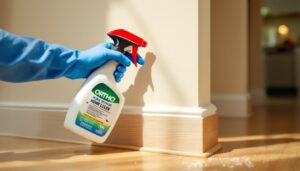
Pre-treat stains. Spray stubborn spots with an enzymatic cleaner 10 to 15 minutes before machine cleaning. Pet urine, wine, and grease need targeted chemistry that all-purpose detergents can’t match. Homeowners looking for effective stain removal methods often find pre-treatment essential.
Use slow, deliberate passes. Rushing cuts extraction efficiency. The machine needs dwell time to loosen soil and suction time to pull it back out. Two slow passes beat five quick ones every time.
Don’t oversaturate. Holding the trigger down while moving backward soaks the carpet backing and padding, leading to mold risk and multi-day drying. Trigger on during forward motion only.
Tackle high-traffic lanes first. Hallways, entryways, and the path from the couch to the kitchen accumulate the most soil. These areas may need a second detergent pass.
Clean the machine before return. Rinse tanks, wipe down the exterior, and remove hair from the brush housing. Home Depot charges cleaning fees, sometimes $25 to $50, if the unit comes back filthy. Plus, it’s basic tool etiquette.
Renting vs. Buying a Carpet Cleaner: Which Is Right for You?
Renters who clean carpets once or twice a year spend $60 to $80 annually. Over five years, that’s $300 to $400, the cost of a decent consumer machine. But ownership brings hidden expenses: replacement parts (brushes, belts, tanks), descaling solution for hard water buildup, and storage space in the garage or closet.
Buying makes sense for large households (2,500+ square feet of carpet), homes with pets that have frequent accidents, or DIYers who also clean auto interiors or rental properties. In those scenarios, the machine pays for itself in 12 to 18 months.
Renting suits smaller homes, condo dwellers, or anyone short on storage. It also eliminates the learning curve of maintaining pumps, replacing worn seals, and troubleshooting weak suction. The trade-off is availability, weekend slots fill up, and renters can’t clean on a whim at 9 p.m. on a Tuesday.
Another consideration is performance. Rental-grade machines typically deliver 80 to 100 psi water pressure and 90+ inches of suction lift. Consumer models in the $200 range often max out at 50 psi and 70 inches. That difference shows in drying time and soil removal, especially on plush or looped carpet.
For those managing multiple cleaning tasks, understanding organizational strategies can help schedule rental periods more efficiently. If the household already owns a shop vacuum, some DIYers opt for a handheld spotter ($50 to $100) for small jobs and rent the full-size unit annually for deep cleaning.
Conclusion
Renting a carpet cleaner from Home Depot delivers commercial-grade performance without the storage hassles or upfront cost of ownership. The process, reserve, pick up, clean, return, takes minimal planning and works for everything from annual deep cleans to post-party stain emergencies. Prep work and slow, deliberate passes make the difference between damp carpets that smell like wet dog and genuinely refreshed flooring that dries in hours, not days.