Table of Contents
ToggleFinding the right ant killer can feel overwhelming when you’re standing in the pest control aisle. Ants invade kitchens, infiltrate pantries, and build colonies in wall voids, and different infestations require different solutions. Home Depot stocks one of the most comprehensive selections of ant control products available to homeowners, from fast-acting sprays to slow-release baits that eliminate entire colonies. This guide walks through the most effective products on Home Depot’s shelves, how to match the right formula to your specific ant problem, and application techniques that actually work. Whether dealing with sugar ants on countertops or carpenter ants compromising structural wood, choosing the correct product makes all the difference.
Key Takeaways
- Home Depot’s ant killer selection includes liquid baits, gels, granules, and sprays designed to target specific ant species and infestation types, making it a comprehensive destination for residential ant control solutions.
- Slow-acting baits like TERRO Liquid Ant Baits work by having worker ants carry poison back to the colony, eliminating the entire nest within 5-7 days, rather than just killing visible ants with contact sprays.
- Proper ant killer selection requires identifying your ant species first—sugar-feeding ants need sweet-based baits while carpenter ants and grease-feeding ants require different attractant formulas.
- Placement precision is critical: apply baits directly along ant trails and entry points, avoid cleaning near bait stations, and don’t disrupt ants feeding on baits during the crucial recruitment phase.
- Combining outdoor granular barriers with indoor gel or liquid baits delivers more reliable results than using a single product alone, and sealing entry points with caulk after treatment prevents future infestations.
Why Home Depot Is Your Go-To Destination for Ant Control Products
Home Depot carries ant control solutions from budget-friendly options to professional-grade products typically sold through pest control distributors. The selection includes formulas for both indoor and outdoor use, addressing surface-feeding ants and wood-destroying species.
Most locations stock products year-round, not just during peak ant season (spring through early fall). This means homeowners can address winter infestations when ants move indoors seeking warmth and moisture. The garden department typically houses outdoor granular products and perimeter sprays, while indoor baits and gel formulas sit in the home care or pest control aisle.
Staff can often point toward specific products based on ant type, though they’re not pest control specialists. Bringing a photo of the ants or describing their behavior (trailing in lines, flying, clustering near water sources) helps narrow down options. Many home improvement tasks benefit from the right product match upfront, and ant control is no exception.
Home Depot’s return policy covers unused pest control products within 90 days, which matters when experimenting with baits. Some ant species ignore certain bait formulas entirely, fire ants and Argentine ants, for instance, have different food preferences than carpenter ants or odorous house ants.
Top Ant Killer Products Available at Home Depot
Liquid Ant Baits and Gel Formulas
Liquid ant baits use a sweet attractant mixed with slow-acting insecticide (usually borax or fipronil). Worker ants carry the bait back to the colony, feeding it to the queen and larvae. This method targets the source rather than just killing visible ants.
TERRO Liquid Ant Baits remain one of the most reliable options. Each station holds about 0.36 fl oz of borax-based liquid. Place stations along ant trails, near entry points, or wherever ants congregate. Expect increased ant activity for 24-48 hours as workers recruit others to the food source, this is normal and indicates the bait is working.
Hot Shot Ultra Liquid Ant Bait uses a different attractant formula that appeals to grease-feeding ants (like Argentine ants) as well as sugar-feeders. The 0.5 fl oz stations contain fipronil, which disrupts the nervous system more rapidly than borax.
Gel baits offer placement flexibility. Advion Ant Gel comes in a syringe applicator, letting users apply small beads in cracks, along baseboards, or behind appliances where bait stations won’t fit. Apply 0.25-0.5 gram beads (about pea-sized) every 10-12 inches along trails. The gel remains attractive for about three days before drying out, so reapply as needed. Among tested ant killers, gel formulas consistently rank high for hard-to-reach infestations.
Safety note: Keep all baits away from children and pets. While the insecticide concentration is low, ingestion can cause stomach upset. Place stations in areas pets can’t access, or use bait stations with secured caps.
Granular and Spray Ant Killers
Granular ant killers work best for outdoor perimeter defense and mound treatment. Amdro Ant Block Home Perimeter Ant Bait creates a protective barrier when applied in a 12-inch band around the foundation. The granules contain hydramethylnon, which workers carry back to the colony. One 12 oz shaker covers approximately 540 linear feet.
For direct mound treatment, Ortho Orthene Fire Ant Killer targets aggressive species. Sprinkle 3-4 tablespoons over each mound without disturbing it, ants carry the acephate-based granules into the colony. Results appear within 60 minutes, with complete colony elimination in 24-48 hours.
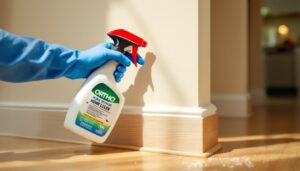
Spray formulas provide quick knockdown for visible ants but don’t eliminate colonies. Raid Ant & Roach Killer offers instant contact kill, useful for large numbers of ants invading living spaces. Spray directly on ants and along trails, but don’t spray over bait stations, the repellent properties will drive ants away from baits.
Ortho Home Defense Insect Killer creates a residual barrier lasting up to 12 months outdoors and 12 months indoors along baseboards and entry points. The 1.33 gallon wand applicator covers approximately 1,600 linear feet. Apply a 4-inch band along exterior foundations, around windows and doors, and along interior baseboards in areas where ants enter.
PPE requirements: Wear nitrile gloves when applying granules or sprays. Use a dust mask if applying in windy conditions to avoid inhaling particles. Eye protection prevents accidental contact when using spray wands overhead or in tight spaces.
Combining products often delivers better results than using one formula alone. Apply granular perimeter bait outdoors to intercept foraging ants, use gel baits indoors along active trails, and keep spray on hand for occasional scouts. For broader pest control strategies, addressing moisture problems and sealing entry points prevents future infestations.
How to Choose the Right Ant Killer for Your Infestation
Ant species determines product effectiveness. Sugar-feeding ants (odorous house ants, Argentine ants, pharaoh ants) prefer sweet liquid baits. Protein/grease-feeding ants (carpenter ants during certain seasons, thief ants) need baits with oil-based attractants. Some species switch preferences seasonally, carpenter ants seek sugars in spring and proteins in summer when raising brood.
Identify your ant species before buying products. Carpenter ants measure 1/4 to 1/2 inch long, typically black or red-black, with a single node between thorax and abdomen. They don’t eat wood but excavate it for nesting, leaving behind frass (sawdust mixed with insect parts). These infestations may indicate moisture damage requiring structural repairs, cosmetic treatment alone won’t solve the problem.
Fire ants build distinctive dome-shaped mounds in lawns and disturbed soil. Workers measure 1/8 to 1/4 inch and respond aggressively when mounds are disturbed. Use mound-specific treatments rather than broadcast applications for these.
Odorous house ants (named for the rotten coconut smell when crushed) measure about 1/8 inch long and form super-colonies with multiple queens. Standard baits work, but eliminating moisture sources and sealing cracks matters more than product choice.
Infestation location guides product selection:
- Kitchen/bathroom: Gel baits or small liquid bait stations placed along backsplashes, under sinks, and near plumbing penetrations
- Exterior walls/foundation: Granular perimeter baits applied in a continuous band, supplemented with spray barrier
- Structural wood: Combination of gel baits in active galleries and professional inspection to assess damage extent, carpenter ant colonies in load-bearing members may require treatment by licensed applicators
- Lawn/garden: Mound treatments for fire ants, broadcast granular baits for foraging species
Severity level affects approach. A few ants near a window might need only caulk and a bait station. Trails of hundreds of ants, multiple entry points, or signs of nesting (frass piles, rustling sounds in walls) require multi-product treatment and possibly professional help.
Check product labels for coverage area and reapplication intervals. Liquid baits remain effective for 3 months once opened. Granular products lose effectiveness after exposure to rain or irrigation, reapply after heavy weather. Spray barriers degrade faster in direct sunlight: north-facing foundations hold residual protection longest.
Application Tips for Maximum Effectiveness
Prep work determines success. Clean surfaces before applying baits, food residue, grease, or competing food sources reduce bait attractiveness. Wipe counters with diluted vinegar or all-purpose cleaner, let dry completely, then place baits along trails. Don’t spray cleaners or insecticides near bait stations: chemical residues repel ants.
Placement precision matters. Watch ants for 10-15 minutes to identify trails and entry points. Place baits directly on trails, not randomly around the room. For gel applications, use a small flashlight to spot cracks and crevices behind appliances. Apply beads every 10-12 inches along baseboards where walls meet floors, ants follow edges rather than crossing open spaces.
Exterior applications require timing. Apply granular products when no rain is forecast for 24 hours, allowing ants time to collect bait before moisture dissolves it. Early morning or late evening works best when ants are actively foraging and temperatures are moderate. Avoid application during midday heat, ants retreat to nests when surface temperatures exceed 95°F.
Don’t disrupt bait activity. Resist the urge to wipe up ants feeding at bait stations. Increased ant numbers mean workers are recruiting nestmates, exactly what you want. It takes 5-7 days for colony elimination with slow-acting baits. Killing visible ants with spray interrupts the process and alerts the colony to danger, causing them to avoid baits.
Monitor and adjust. If ants ignore a bait formula after 24 hours, switch to a different attractant type (sugar-based to protein-based or vice versa). Mark bait station locations with painter’s tape and check daily. Replace liquid baits when they’re empty or dried out: replace gel baits when they’ve hardened or collected debris.
Seal entry points after treatment. Once ant activity decreases, caulk cracks in foundations, around pipe penetrations, and along window frames using silicone or polyurethane caulk. Stuff steel wool in larger gaps before caulking, ants can’t chew through it. Check weatherstripping on doors and install door sweeps where gaps exceed 1/4 inch.
Safety compliance: Store unused products in original containers away from food storage areas. Mix only what’s needed for immediate use when diluting concentrates. Dispose of empty containers according to label directions, some require triple-rinsing before recycling, others go to hazardous waste collection.
Tool list for application:
- Nitrile gloves (chemical-resistant)
- Caulk gun and silicone caulk
- Small flashlight or headlamp
- Measuring spoons (for granules)
- Painter’s tape (marking stations)
- Dust mask (granular applications)
Reapply outdoor barriers every 2-3 months or after heavy rain. Indoor baits typically solve problems within two weeks. If infestations persist beyond 3-4 weeks of consistent baiting, consider professional inspection, large colonies nesting inside wall voids or structural damage may require specialized treatment beyond retail products.
Conclusion
Home Depot’s ant control selection covers most residential infestations when matched correctly to ant species and problem severity. Slow-acting baits eliminate colonies more effectively than contact sprays, but combining outdoor barriers with indoor baiting delivers the most reliable results. Success comes from proper identification, strategic placement, and patience, most failures stem from switching products too quickly or disrupting bait activity. For persistent problems or structural concerns, professional assessment ensures you’re not masking deeper issues.